
Month: September 2025
From Farms to Factories: How Biomass Fuels Build a Sustainable World

From Farms to Factories: How Biomass Fuels Build a Sustainable World
The connection between agriculture and industry is stronger than ever, thanks to biomass energy. For decades, agricultural waste such as husks, stalks, and bagasse was often discarded or burned, causing air pollution and harming the environment. With modern biomass technology, this waste can now be turned into clean energy that powers industries and supports sustainability.
Pellets and briquettes, the two primary forms of biomass fuel, are compact, energy dense, and versatile. They can replace coal in boilers, furnaces, and even power plants, providing industries with a reliable fuel source that produces far fewer emissions. This shift is not only about energy efficiency; it is also about reducing the overall environmental footprint of industrial operations.
The benefits of biomass extend beyond industries. Farmers who once struggled with waste disposal now have opportunities to earn additional income by selling residues. Local communities benefit from cleaner air and less open-field burning, while industries gain access to a steady supply of affordable, renewable energy. This interconnected system demonstrates the true value of biomass: it creates a circular economy where nothing goes to waste.
At Crescent Biofuel Solutions, we believe the future depends on strong partnerships between industries and agriculture. By working together, we can create an energy model that is sustainable, community focused, and environmentally responsible. From farms to factories, biomass fuels are helping build a cleaner, greener, and more resilient world.



 More Bolog
Our Latest Blog & Insight
From Farms to Factories: How Biomass Fuels Build a Sustainable World
The connection between agriculture and industry is stronger than ever, thanks to biomass energy. For decades, agricultural waste such as...
Why Biomass Fuels Are Shaping the Future of Clean Energy
The world’s energy demand continues to rise, and industries face increasing pressure to adopt greener solutions. Traditional fossil fuels like...
Transforming Agricultural Waste into Renewable Energy
Agriculture produces massive amounts of byproducts every year, such as rice husk, wheat straw, sugarcane bagasse, and cotton stalks. Unfortunately,...
Why Biomass Fuels Are Shaping the Future of Clean Energy
Why Biomass Fuels Are Shaping the Future of Clean Energy
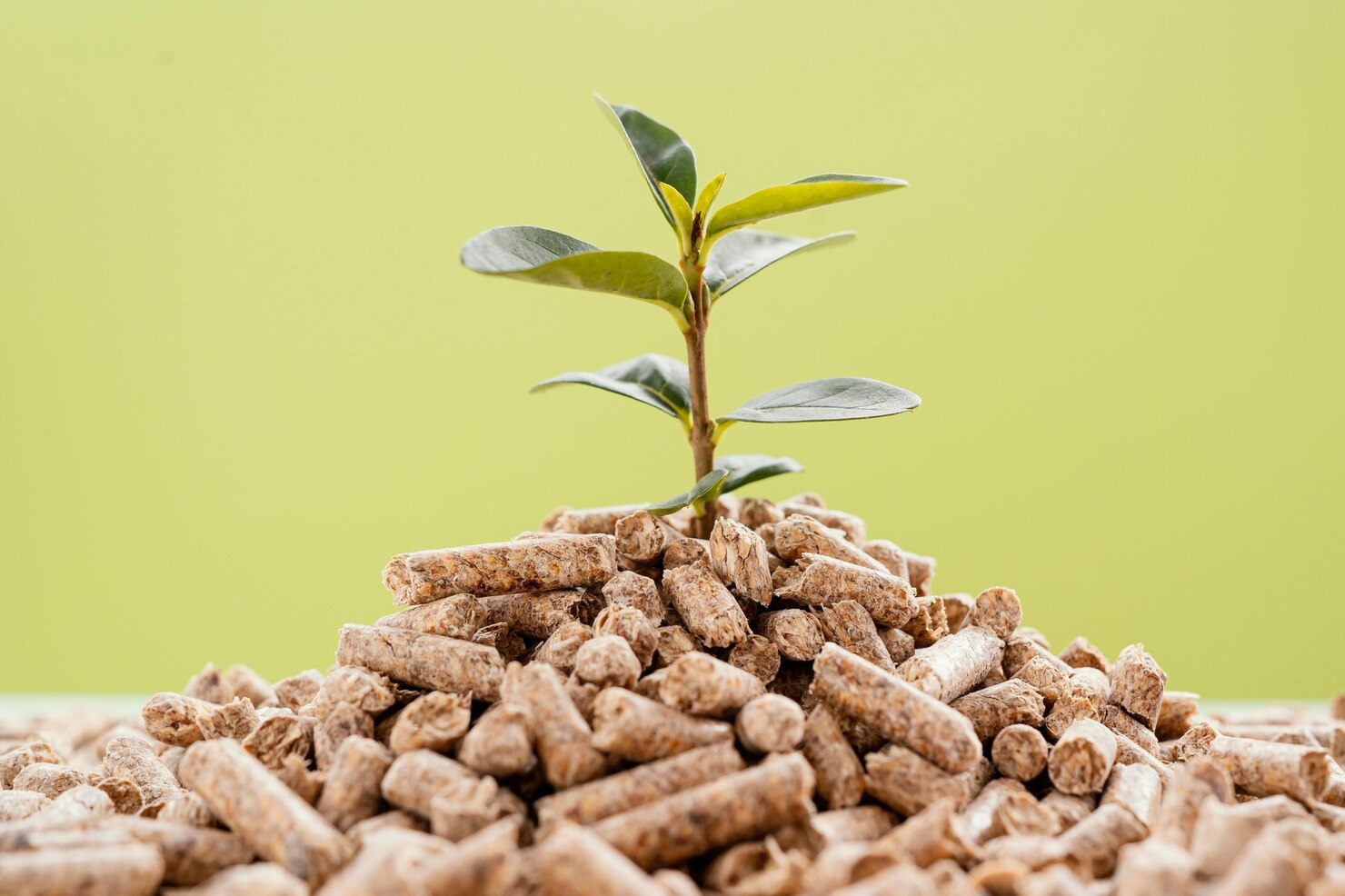
The world’s energy demand continues to rise, and industries face increasing pressure to adopt greener solutions. Traditional fossil fuels like coal and oil may be effective, but they carry heavy environmental costs. This is where biomass fuels emerge as a game changer.
Biomass fuels, including pellets and briquettes, are produced from renewable agricultural and forestry byproducts. They are considered carbon neutral because the carbon dioxide released during burning is offset by the carbon absorbed by plants during their growth. This makes biomass a sustainable option that aligns with global climate goals and helps industries reduce their carbon footprint.
Beyond being environmentally friendly, biomass fuels are also economically practical. They offer competitive pricing compared to fossil fuels, along with the benefit of stable supply chains. Unlike oil or coal, which are subject to global market fluctuations, biomass can be produced locally, reducing reliance on imports and strengthening energy security.
Biomass energy also supports rural economies. By sourcing raw materials from farmers, it generates income, creates jobs, and stimulates local communities. This not only provides cleaner energy but also builds stronger, more resilient economies.
With governments and industries investing in renewable energy, biomass is positioned to play a central role in the clean energy transition. For businesses seeking to operate responsibly while remaining cost-effective, biomass fuels represent a sustainable pathway to the future.
More Bolog
Our Latest Blog & Insight
From Farms to Factories: How Biomass Fuels Build a Sustainable World
The connection between agriculture and industry is stronger than ever, thanks to biomass energy. For decades, agricultural waste such as...
Why Biomass Fuels Are Shaping the Future of Clean Energy
The world’s energy demand continues to rise, and industries face increasing pressure to adopt greener solutions. Traditional fossil fuels like...
Transforming Agricultural Waste into Renewable Energy
Agriculture produces massive amounts of byproducts every year, such as rice husk, wheat straw, sugarcane bagasse, and cotton stalks. Unfortunately,...
Transforming Agricultural Waste into Renewable Energy
Transforming Agricultural Waste into Renewable Energy
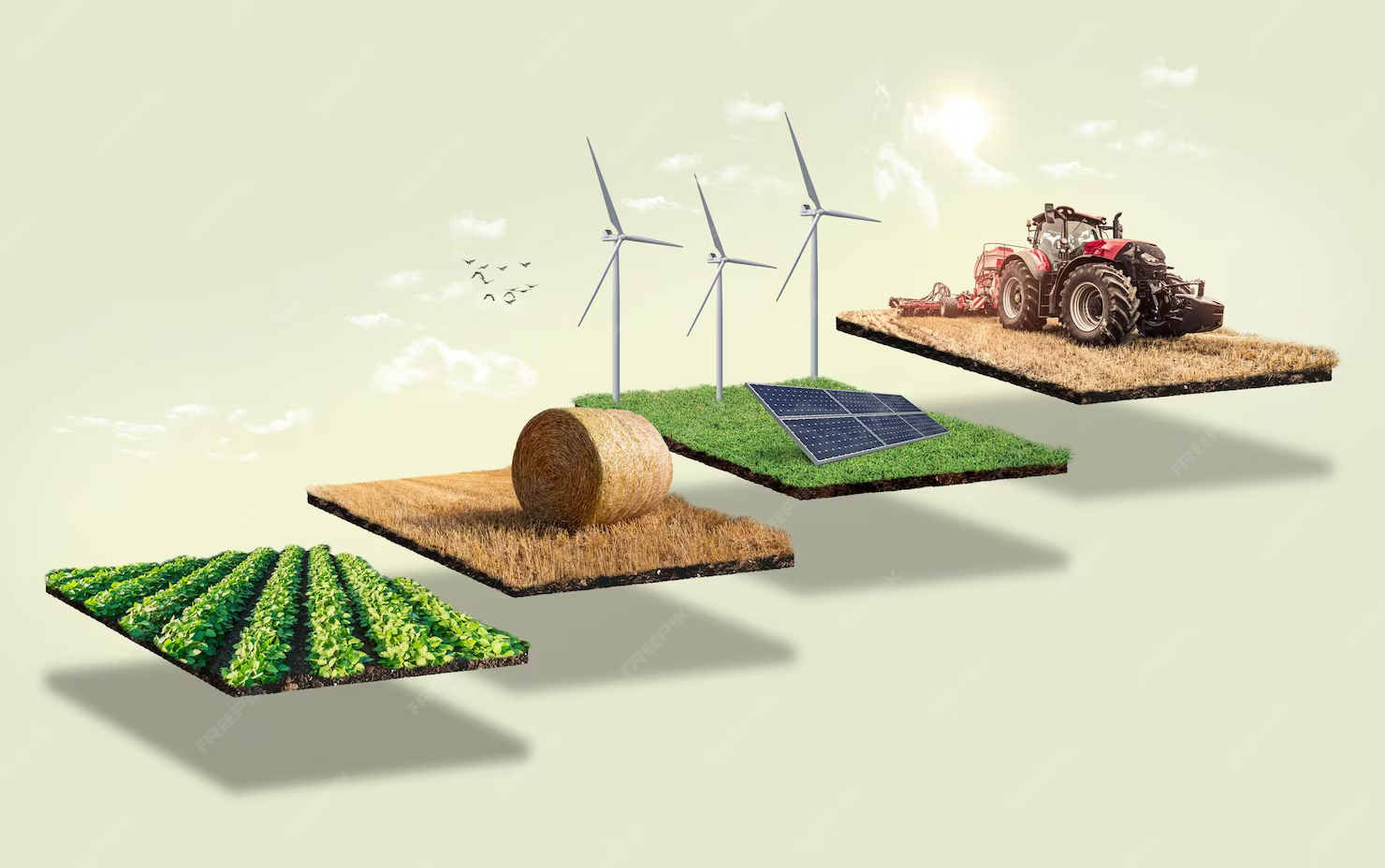
Agriculture produces massive amounts of byproducts every year, such as rice husk, wheat straw, sugarcane bagasse, and cotton stalks. Unfortunately, much of this waste ends up being burned or discarded, contributing to environmental pollution and wasted resources. At Crescent Biofuel Solutions, we see this waste not as a problem, but as an opportunity.
By converting agricultural residues into biomass fuels such as pellets and briquettes, we are creating renewable, eco-friendly alternatives to fossil fuels. These fuels are energy dense, easy to transport, and cost-effective, making them ideal for industrial boilers, power plants, and other large scale energy systems. Unlike coal, biomass fuels burn cleaner and produce significantly lower carbon emissions; reducing the carbon footprint of industries.
This approach also directly benefits local farmers. Instead of letting agricultural waste pile up or burn away, farmers can sell their byproducts for biomass production. This provides them with an additional income stream; while ensuring that nothing goes to waste. It’s a win win solution: industries get reliable green energy, farmers gain financial support, and the planet benefits from reduced emissions and healthier air.
Biomass energy is more than just fuel; it’s a way to connect industries, agriculture, and communities in a cycle of sustainability. By transforming waste into value, we are moving one step closer to a cleaner, greener future.
More Bolog
Our Latest Blog & Insight
From Farms to Factories: How Biomass Fuels Build a Sustainable World
The connection between agriculture and industry is stronger than ever, thanks to biomass energy. For decades, agricultural waste such as...
Why Biomass Fuels Are Shaping the Future of Clean Energy
The world’s energy demand continues to rise, and industries face increasing pressure to adopt greener solutions. Traditional fossil fuels like...
Transforming Agricultural Waste into Renewable Energy
Agriculture produces massive amounts of byproducts every year, such as rice husk, wheat straw, sugarcane bagasse, and cotton stalks. Unfortunately,...


Crescent Biofuel Solutions provides renewable biomass fuels that power industries sustainably while reducing carbon emissions. By transforming agricultural waste into energy, we support local farmers and build a cleaner future worldwide.
Copyright © 2025 Crescent Biofuel Solutions. All Rights Reserved.