
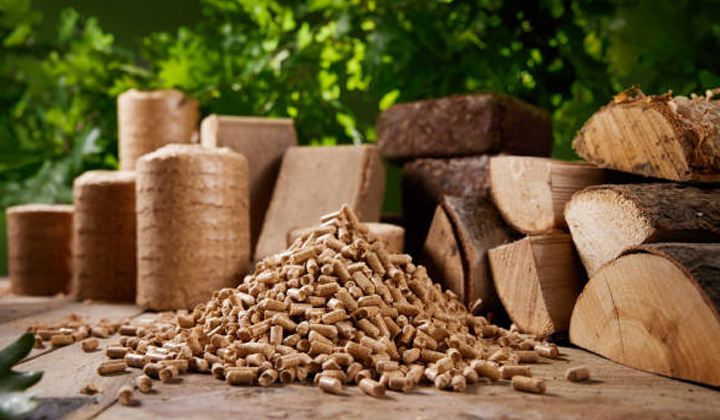
We convert agricultural, such as rice husk, sugarcane bagasse, groundnut shells, and cotton stalks into high performance biomass briquettes. By capturing waste materials that are often burned or discarded, we create a clean, carbon-neutral fuel that not only curbs pollution but also delivers reliable, renewable energy to industries and households.
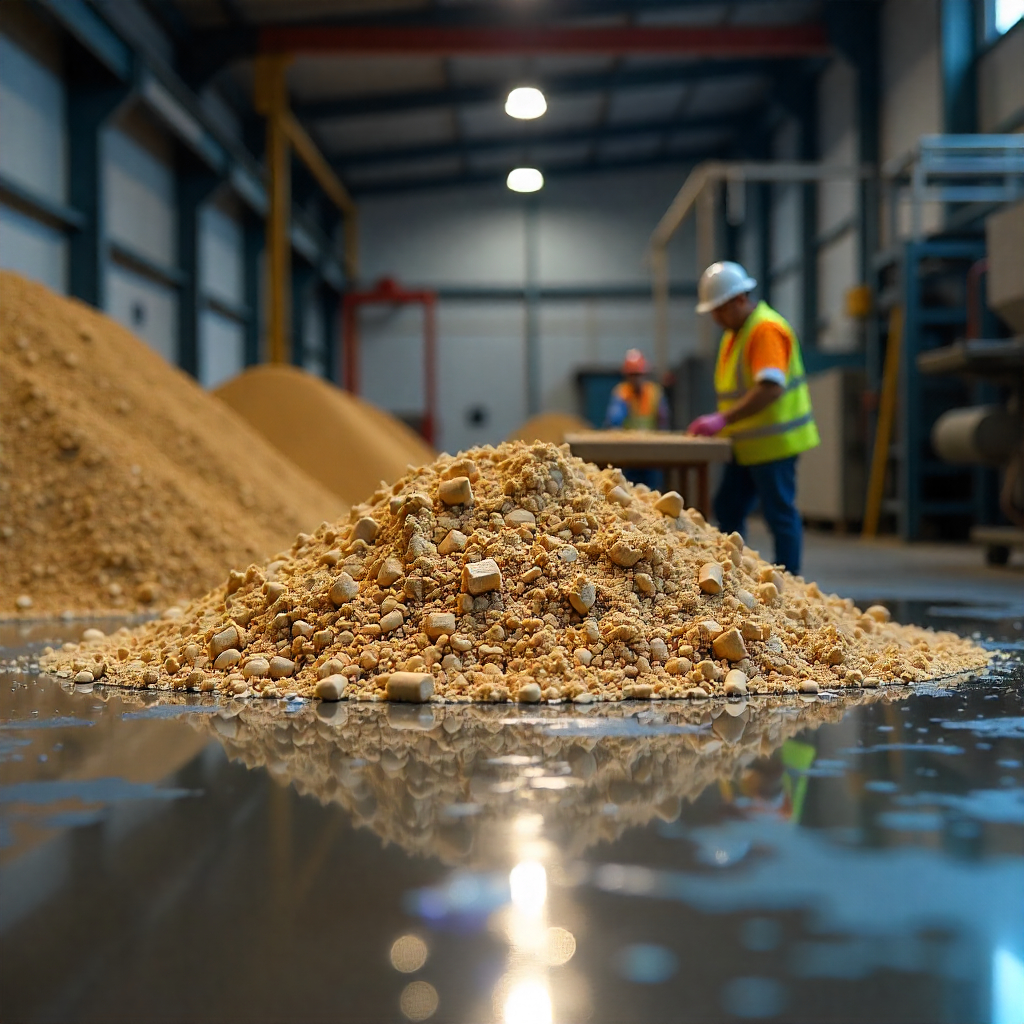
Our briquetting process is entirely binder-free, relying on natural biomass compression under high pressure and heat to form cohesive, energy-dense blocks. This eco-friendly method ensures each briquette is 100% plant-based and free from harmful additives or chemicals.
We source renewable biomass such as rice husk, and agro residues and ensure optimal moisture levels (typically under 10–12%) using drying techniques (sun or mechanical drying).
Dried biomass is crushed to fine particles (2–10 mm) using crushers or hammer mills. Uniform sizing ensures efficient compaction and consistent fuel quality.
The prepared biomass enters our compacting machines such as piston or screw presses where extreme pressure fuses the particles together (the biomass’ natural lignin aids binding).
Fresh briquettes are cooled and dried further before being stored in dry environments to preserve durability and energy value.
Our briquettes feature high density (up to ~1200 kg/m³) and low moisture translating to exceptional heating efficiency and compact storage. This makes them ideal for thermal applications including steam boilers, furnaces, dryers, kilns, and domestic cooking systems.
By transforming agricultural waste into energy, we help reduce field burning, support zero waste ecosystems, and create local jobs. Our briquettes provide cost-effective, domestic energy options fueling both economic growth and environmental resilience.
 Bizmate Climate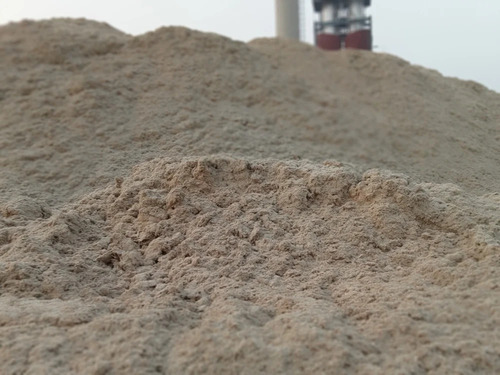
A fibrous residue left after extracting juice from sugarcane, widely used as boiler fuel.
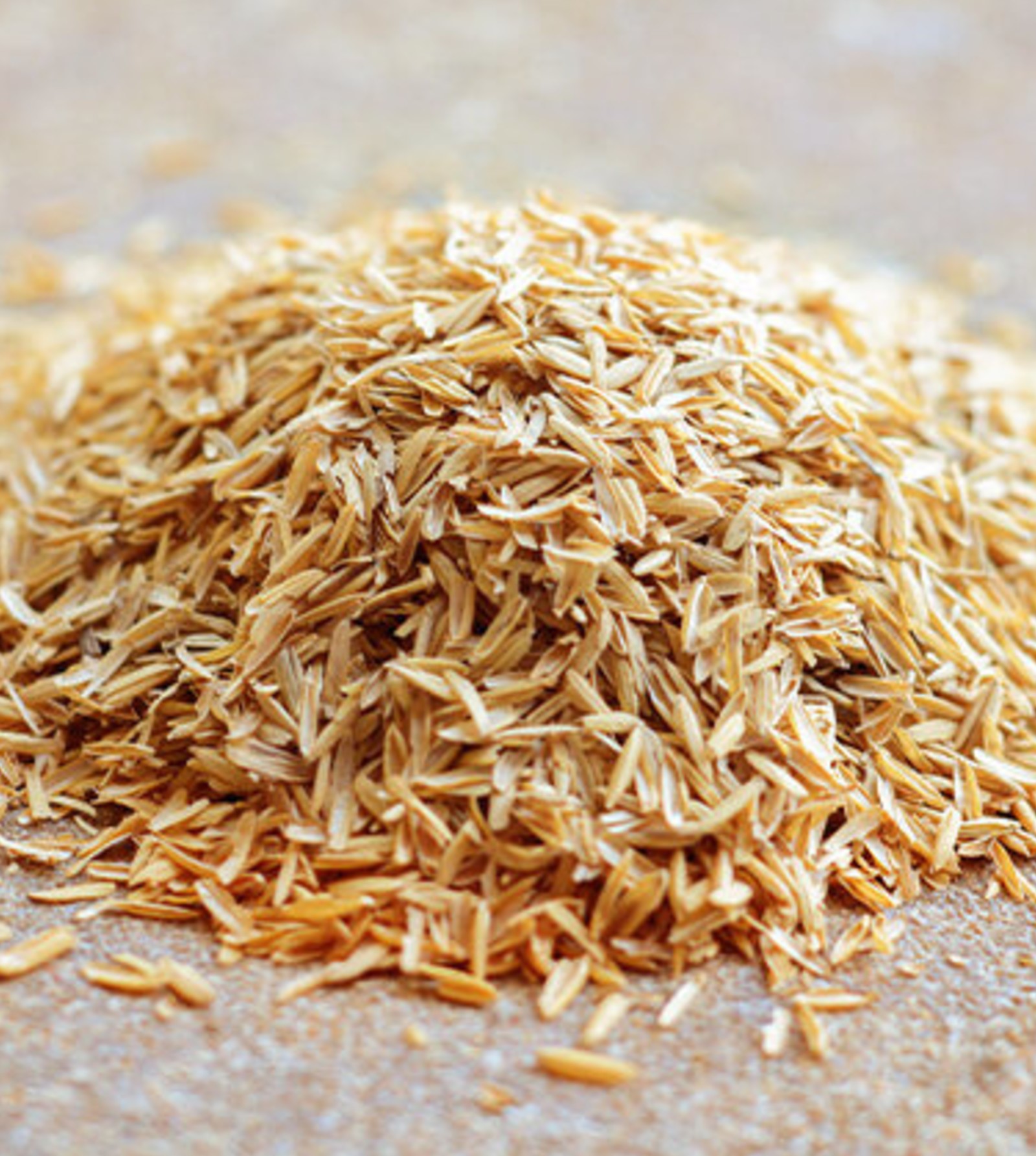
Hard protective coverings of rice grains, used as an energy-rich biomass source.
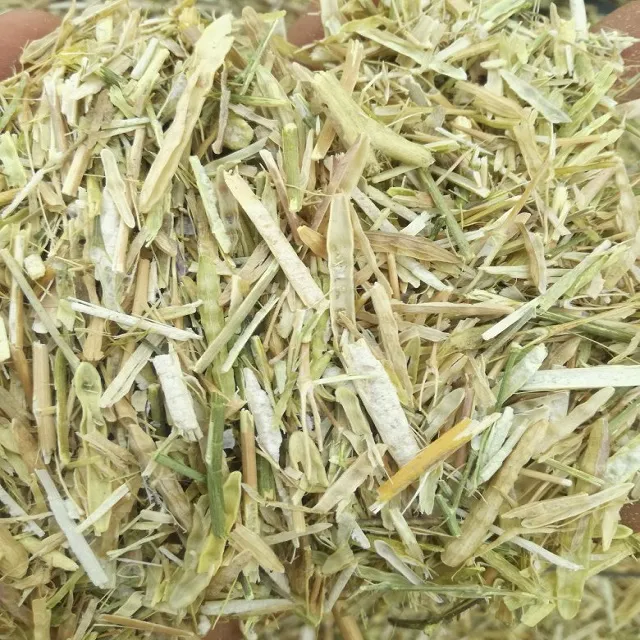
A by-product of mustard harvest, great for thermal energy and combustion systems.
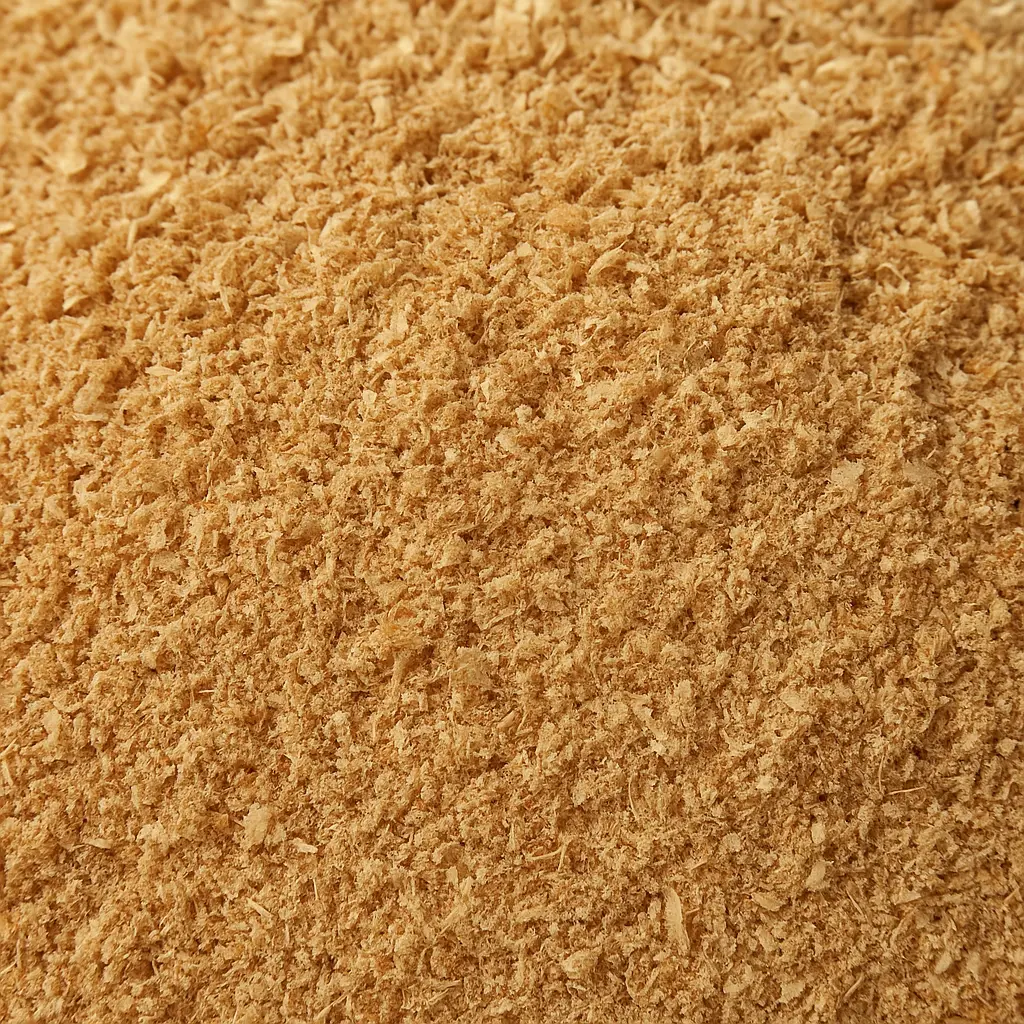
Sawdust is the fine, powdery wood particles produced during cutting, grinding, drilling
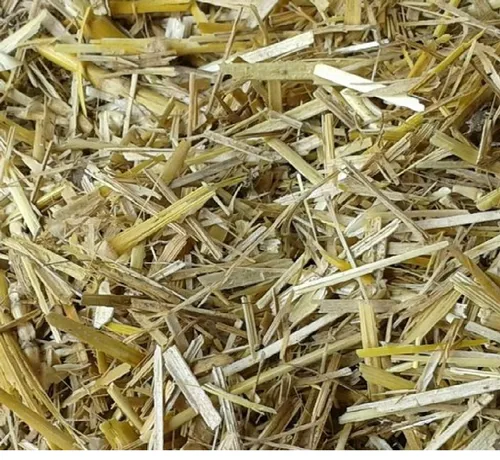
Dry stalks from wheat crops, commonly used for energy production in biomass plants.
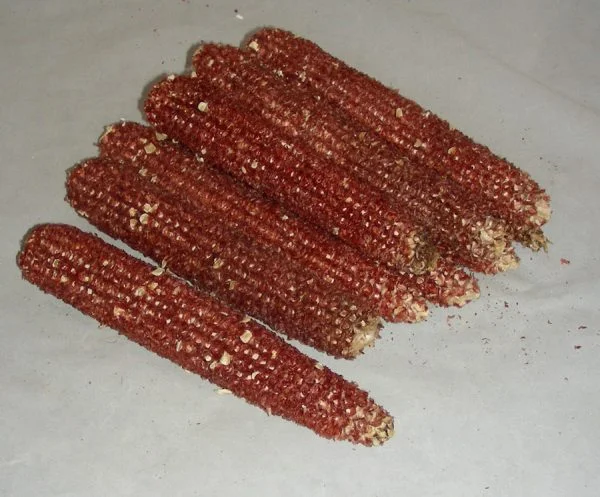
The central part of a corn ear, ideal for high-calorific industrial fuel solutions.
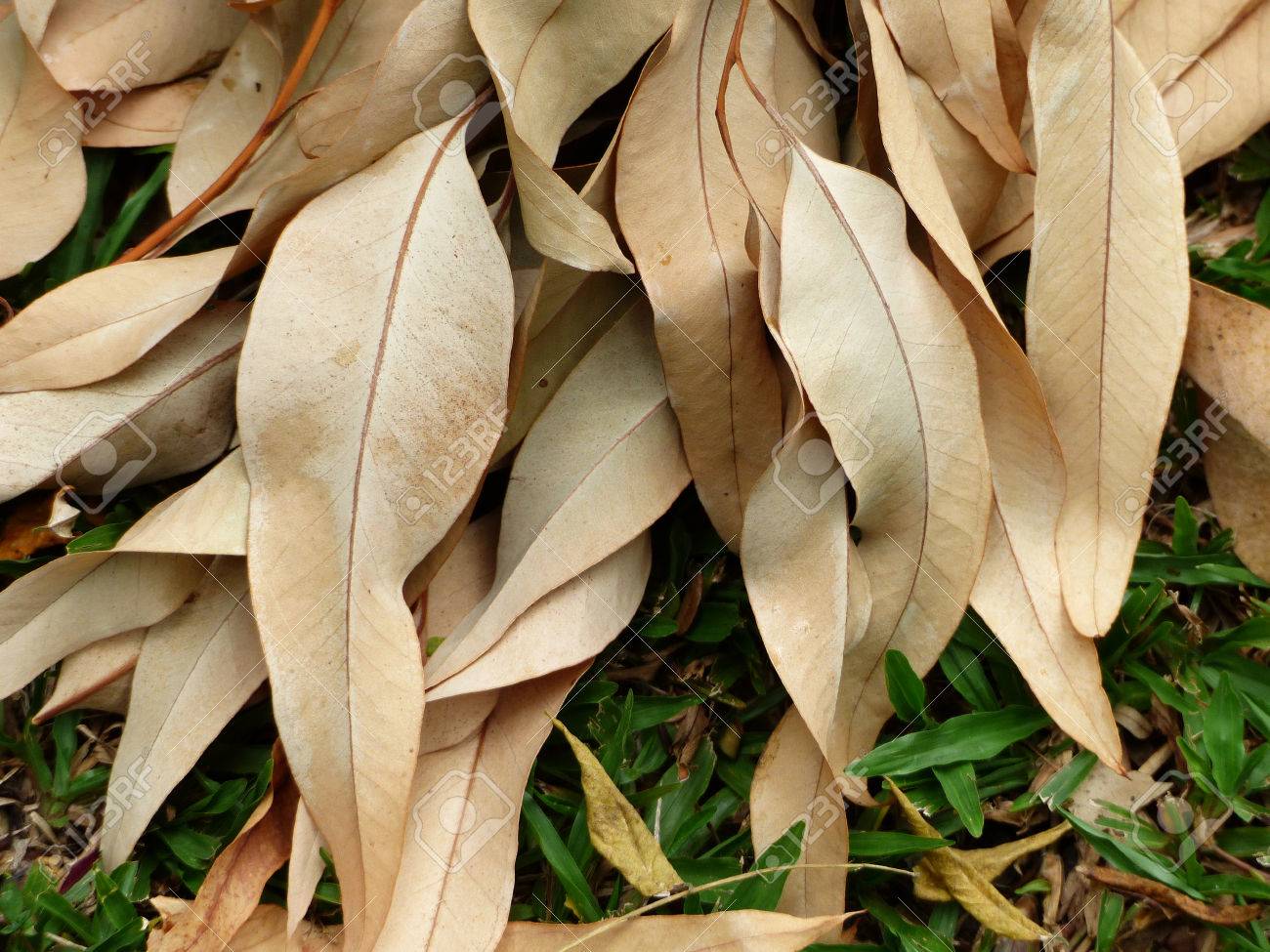
Dry eucalyptus (sufaida) leaves, providing efficient and clean biomass energy.
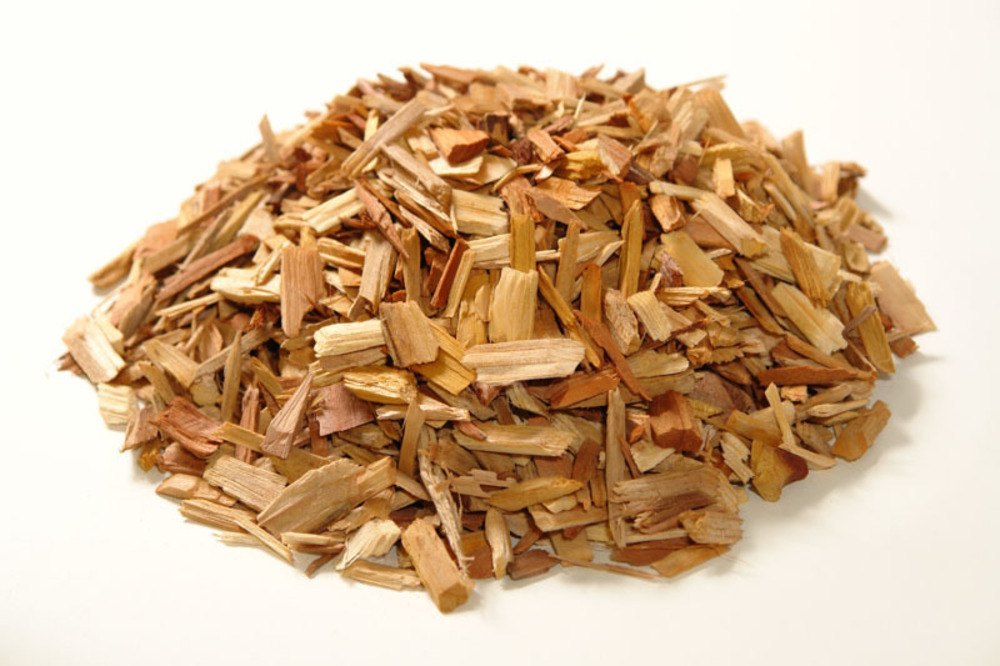
Small pieces of wood used as solid biofuel for heating and industrial boilers.



Crescent Biofuel Solutions provides renewable biomass fuels that power industries sustainably while reducing carbon emissions. By transforming agricultural waste into energy, we support local farmers and build a cleaner future worldwide.
Copyright © 2025 Crescent Biofuel Solutions. All Rights Reserved.