
Why Biomass Fuels Are Shaping the Future of Clean Energy
Why Biomass Fuels Are Shaping the Future of Clean Energy
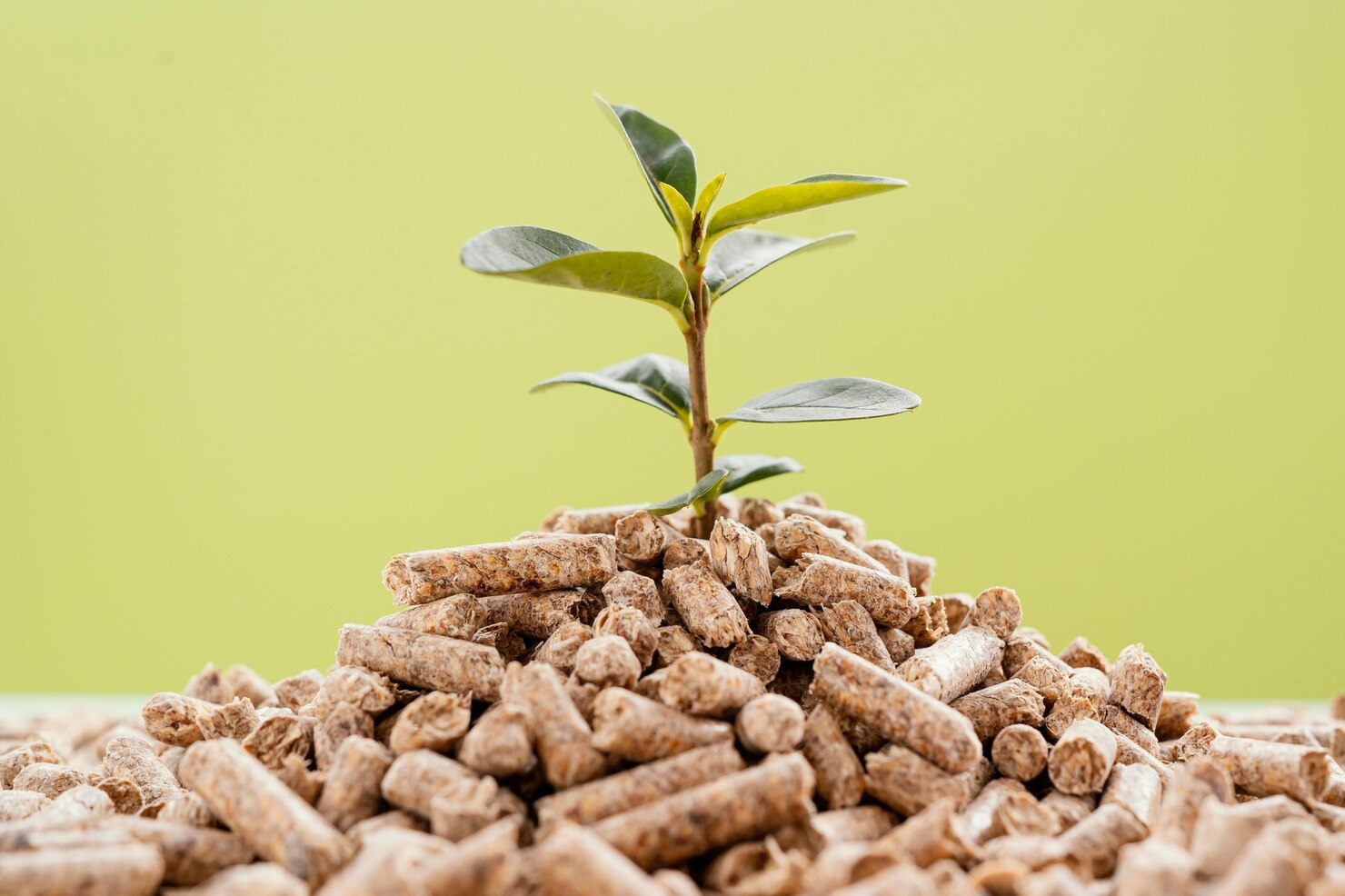
The world’s energy demand continues to rise, and industries face increasing pressure to adopt greener solutions. Traditional fossil fuels like coal and oil may be effective, but they carry heavy environmental costs. This is where biomass fuels emerge as a game changer.
Biomass fuels, including pellets and briquettes, are produced from renewable agricultural and forestry byproducts. They are considered carbon neutral because the carbon dioxide released during burning is offset by the carbon absorbed by plants during their growth. This makes biomass a sustainable option that aligns with global climate goals and helps industries reduce their carbon footprint.
Beyond being environmentally friendly, biomass fuels are also economically practical. They offer competitive pricing compared to fossil fuels, along with the benefit of stable supply chains. Unlike oil or coal, which are subject to global market fluctuations, biomass can be produced locally, reducing reliance on imports and strengthening energy security.
Biomass energy also supports rural economies. By sourcing raw materials from farmers, it generates income, creates jobs, and stimulates local communities. This not only provides cleaner energy but also builds stronger, more resilient economies.
With governments and industries investing in renewable energy, biomass is positioned to play a central role in the clean energy transition. For businesses seeking to operate responsibly while remaining cost-effective, biomass fuels represent a sustainable pathway to the future.



 More Bolog
Our Latest Blog & Insight

From Farms to Factories: How Biomass Fuels Build a Sustainable World
The connection between agriculture and industry is stronger than ever, thanks to biomass energy. For decades, agricultural waste such as...
Why Biomass Fuels Are Shaping the Future of Clean Energy
The world’s energy demand continues to rise, and industries face increasing pressure to adopt greener solutions. Traditional fossil fuels like...
Transforming Agricultural Waste into Renewable Energy
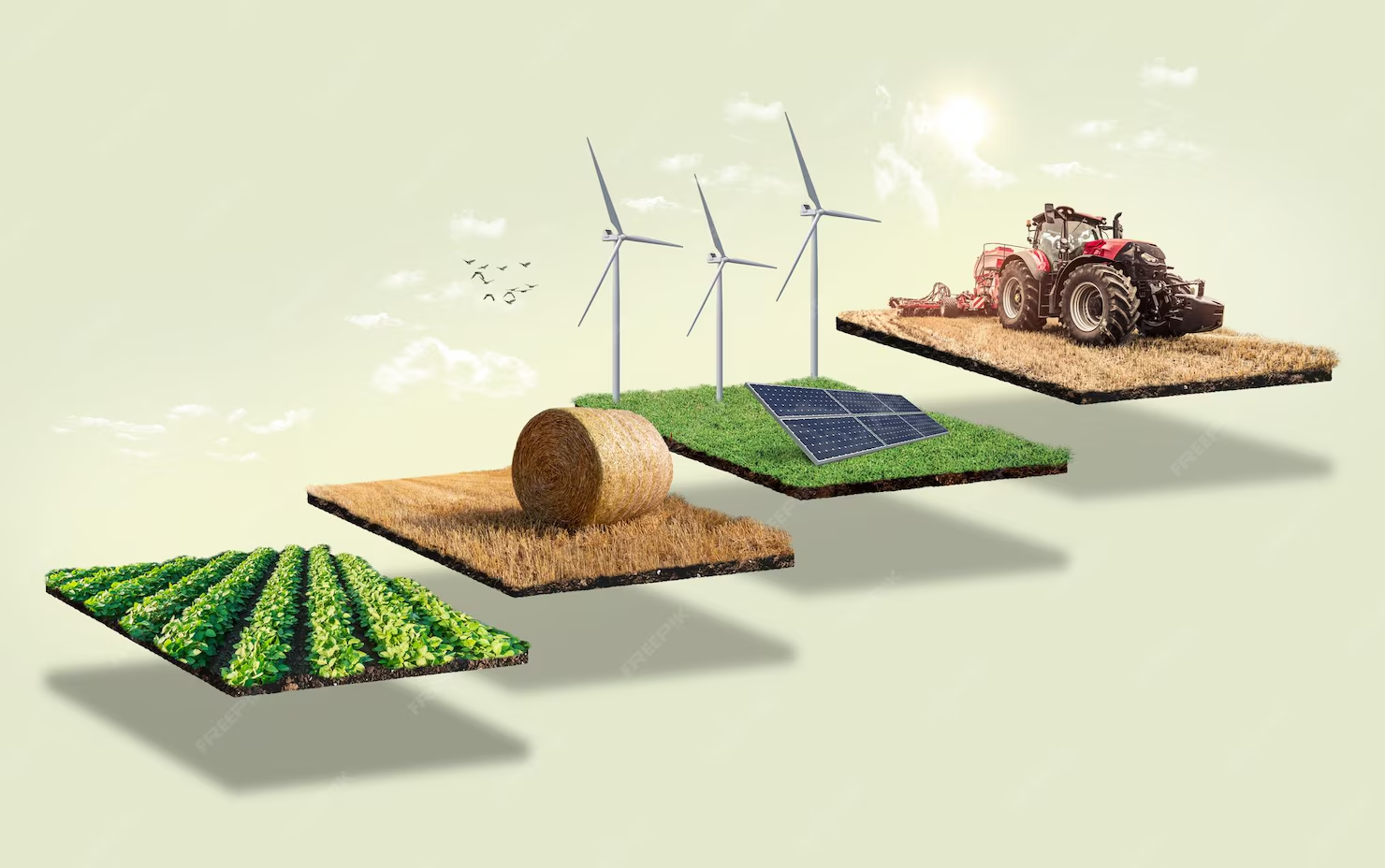
Agriculture produces massive amounts of byproducts every year, such as rice husk, wheat straw, sugarcane bagasse, and cotton stalks. Unfortunately,...


Crescent Biofuel Solutions provides renewable biomass fuels that power industries sustainably while reducing carbon emissions. By transforming agricultural waste into energy, we support local farmers and build a cleaner future worldwide.
Copyright © 2025 Crescent Biofuel Solutions. All Rights Reserved.